Historical Significance of Temples in Nepal
The history of temples in Nepal is intertwined with the history of the nation itself. Dating back to ancient times, these sacred structures have been central to the cultural and religious practices of the Nepalese people. Temples such as the Pashupatinath Temple, Swayambhunath Stupa, and Changu Narayan Temple are among the oldest and most revered, with histories stretching back over a millennium. Pashupatinath Temple, dedicated to Lord Shiva, is one of the holiest sites for Hindus worldwide. Its origins trace back to the 5th century, and it has been a major center of pilgrimage ever since. Similarly, the Swayambhunath Stupa, also known as the Monkey Temple, is a significant Buddhist site believed to have been established more than 2,000 years ago. The Changu Narayan Temple, dedicated to Lord Vishnu, is another ancient marvel, dating back to the 4th century and showcasing exquisite Newari architecture and craftsmanship.
The Present State of Temples in Nepal
Today, the temples of Nepal continue to be vital centers of religious practice and cultural identity. They attract millions of devotees and tourists from around the world, contributing significantly to the local economy and cultural preservation.
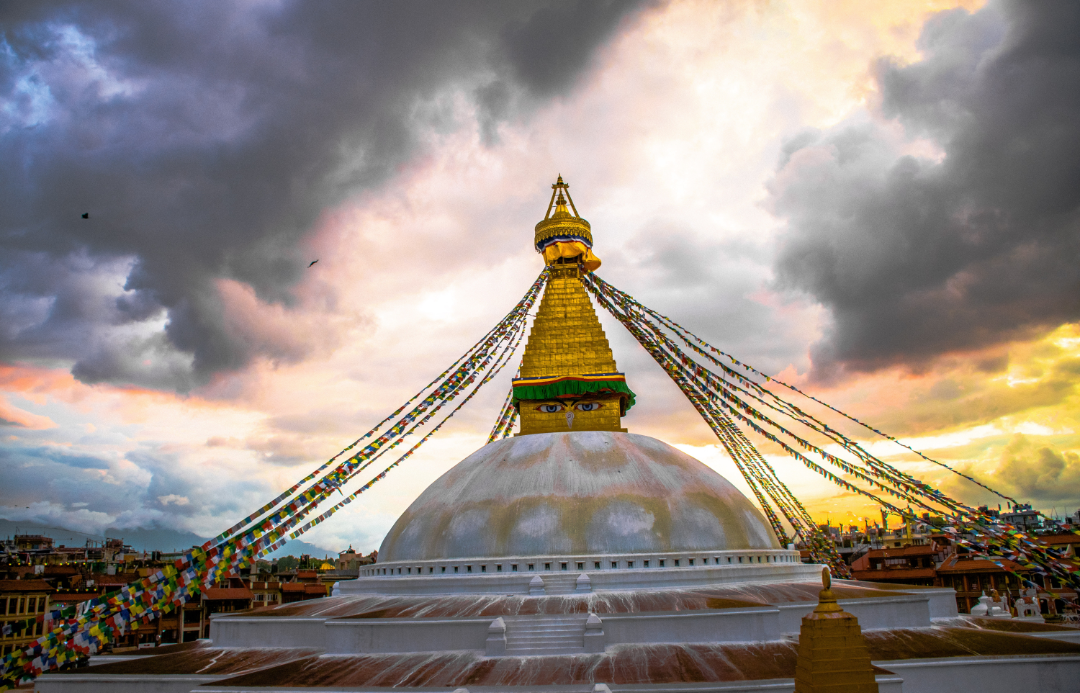
However, many temples face challenges due to natural disasters, urbanization, and inadequate preservation efforts. The devastating earthquake of 2015 severely damaged several historical temples, including parts of the Pashupatinath Temple and the Swayambhunath Stupa. Restoration efforts have been ongoing, with support from both national and international organizations, but the process is slow and complex. Urbanization and modernization also pose threats to the traditional temple sites. Encroachment and pollution can degrade the sanctity and structural integrity of these sacred spaces. Nevertheless, there is a growing awareness and movement towards preserving these cultural heritages. Initiatives by local communities, government bodies, and non-governmental organizations aim to restore and maintain the temples while promoting sustainable tourism.
The Craze of Devotion
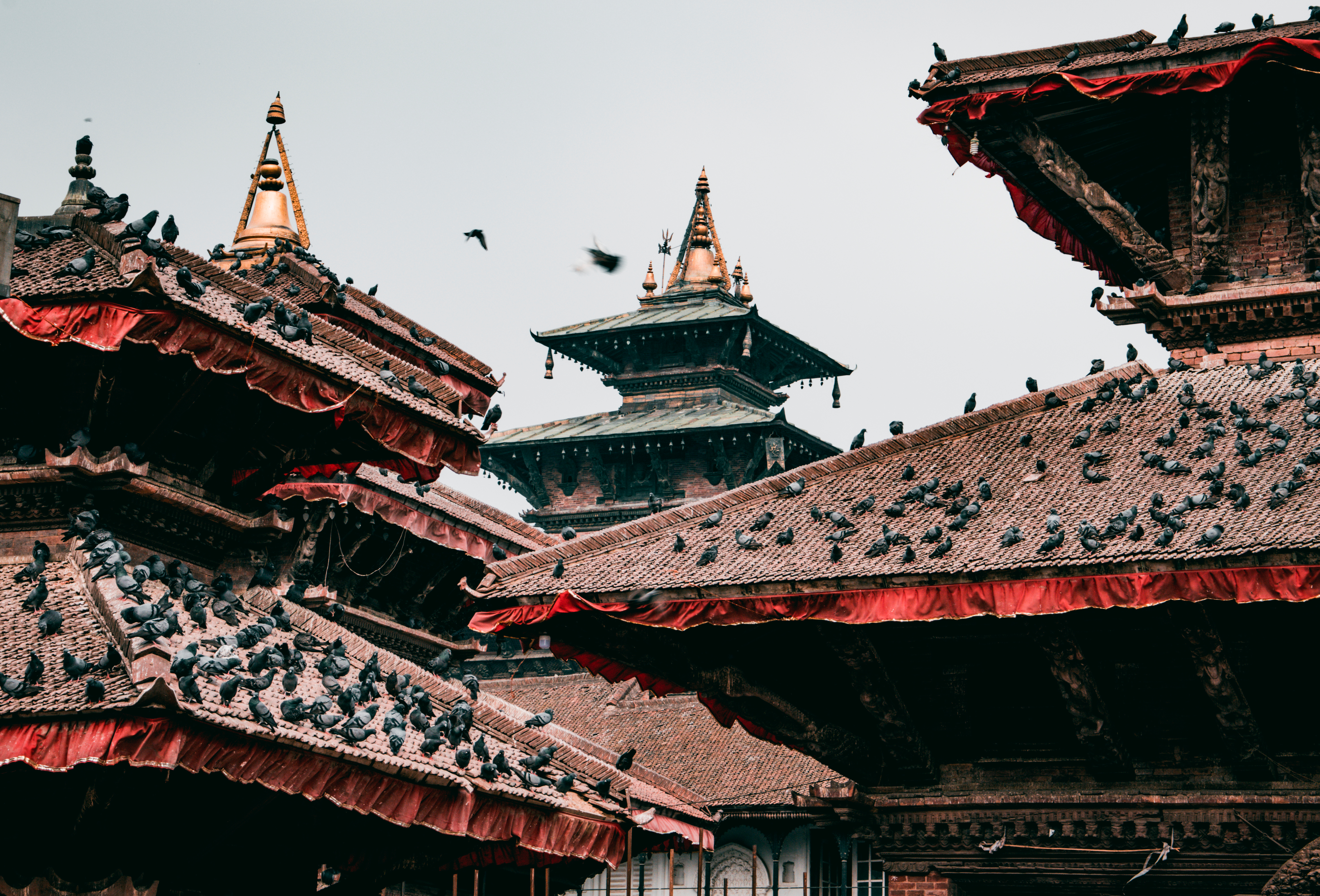
The devotion to temples in Nepal is deeply ingrained in the daily lives of its people. Festivals and religious ceremonies are vibrant expressions of this devotion. For instance, Maha Shivaratri at Pashupatinath Temple attracts hundreds of thousands of pilgrims who gather to worship Lord Shiva. Similarly, the annual Buddhist festival of Buddha Jayanti sees a massive influx of devotees at Swayambhunath and Boudhanath stupas. The craze of devotion is not limited to major festivals. Daily rituals, prayers, and offerings are an integral part of temple life. Temples serve as communal spaces where people come together to celebrate, pray, and seek blessings. This unwavering devotion is a testament to the enduring spiritual and cultural significance of temples in Nepal.
Irish Smith
Lorem ipsum dolor sit amet, consectetur adipisicing elit. Pariatur quidem laborum necessitatibus, ipsam impedit vitae autem, eum officia, fugiat saepe enim sapiente iste iure! Quam voluptas earum impedit necessitatibus, nihil?
Reply
Christine Stewart
Lorem ipsum dolor sit amet, consectetur adipisicing elit. Pariatur quidem laborum necessitatibus, ipsam impedit vitae autem, eum officia, fugiat saepe enim sapiente iste iure! Quam voluptas earum impedit necessitatibus, nihil?
Reply
Chintan Patel
Lorem ipsum dolor sit amet, consectetur adipisicing elit. Pariatur quidem laborum necessitatibus, ipsam impedit vitae autem, eum officia, fugiat saepe enim sapiente iste iure! Quam voluptas earum impedit necessitatibus, nihil?
Reply
John Doe
Lorem ipsum dolor sit amet, consectetur adipisicing elit. Pariatur quidem laborum necessitatibus, ipsam impedit vitae autem, eum officia, fugiat saepe enim sapiente iste iure! Quam voluptas earum impedit necessitatibus, nihil?
Reply
Ben Afflick
Lorem ipsum dolor sit amet, consectetur adipisicing elit. Pariatur quidem laborum necessitatibus, ipsam impedit vitae autem, eum officia, fugiat saepe enim sapiente iste iure! Quam voluptas earum impedit necessitatibus, nihil?
Reply
Jean Doe
Lorem ipsum dolor sit amet, consectetur adipisicing elit. Pariatur quidem laborum necessitatibus, ipsam impedit vitae autem, eum officia, fugiat saepe enim sapiente iste iure! Quam voluptas earum impedit necessitatibus, nihil?
Reply